The Designer Behind The Knitting Protocol
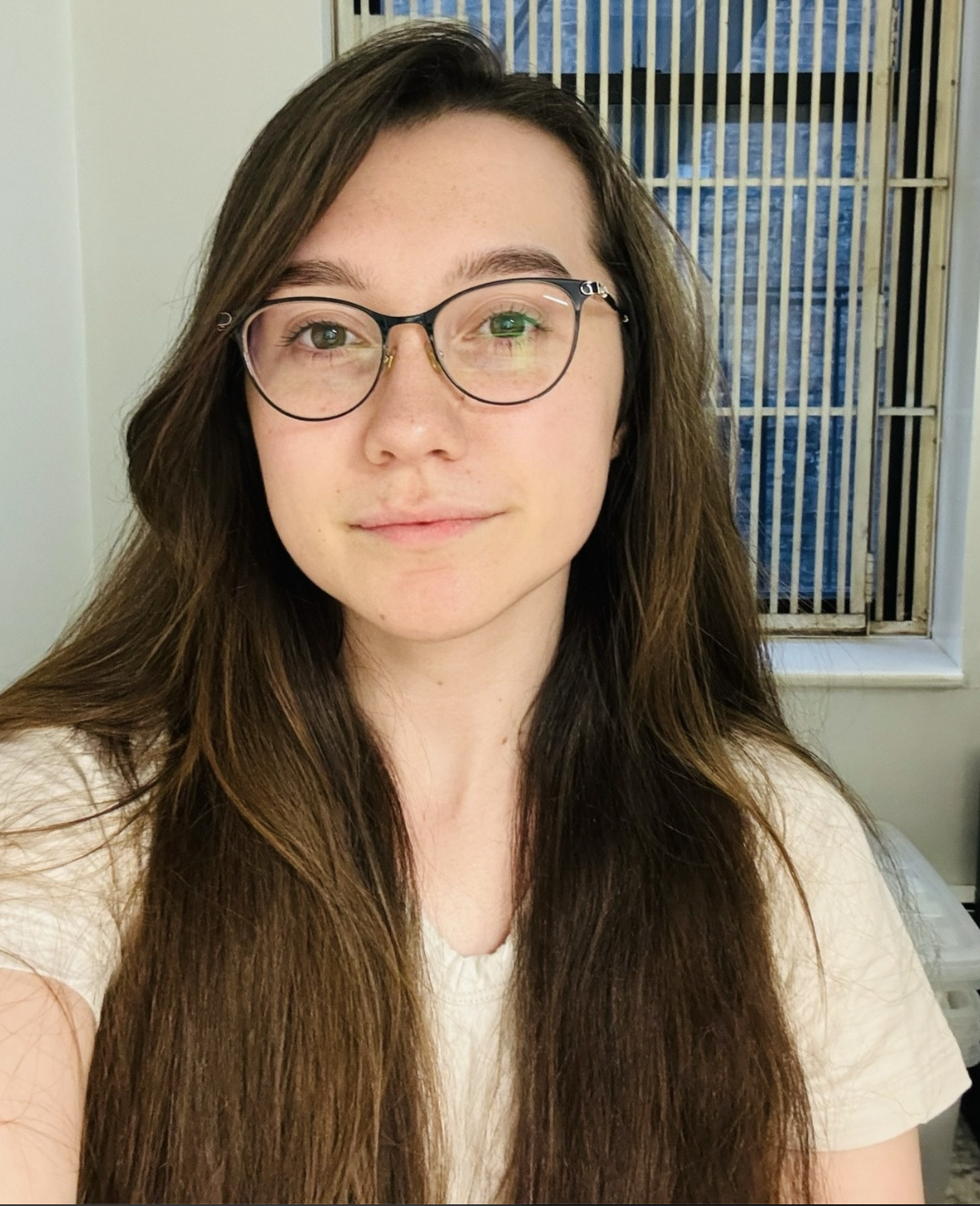
My craft story starts where a lot of ours do, at my grandmother's side. I grew up learning plastic canvas needlepoint with her, and those early hours of stitching together planted something that never really left. In 2014, I picked up a crochet hook for the first time, and by 2017 I had fallen completely into knitting.
Somewhere along the way, I also fell in love with building things in a different way: through code. I pursued computer science, eventually earning my degree from Columbia University on scholarship. But knitting never stopped being the thing that grounded me.
After graduating, I kept coming back to the same frustration I feel as a newer designer: why is there no real tool for writing knitting patterns? There are chart builders, sure. But when it comes to actually authoring a complete pattern document — the written instructions, the formatting, the sizing, the layout — designers are still piecing it together across Google Docs, Canva, spreadsheets, and sheer willpower.
That's why I built The Knitting Protocol.
What This Project Is About
The Knitting Protocol is built on a simple belief: the math and formatting shouldn't be the barrier that keeps a creative knitter from becoming a confident designer. The editor handles the structural side so you can focus on what actually matters: your design.
The tool is completely free to use, and it always will be.
What Comes Next
Right now, The Knitting Protocol supports a core set of pattern templates, but my vision is much bigger. I want to build out templates for as many pattern types as possible so that any knitter with an idea can sit down and start writing.
If The Knitting Protocol has been useful to you, and if you believe in what it's becoming, I'm putting the finishing touches on a few ways to support this work directly. Every bit will go toward building new templates, improving the editor, and keeping this tool free for the community.